
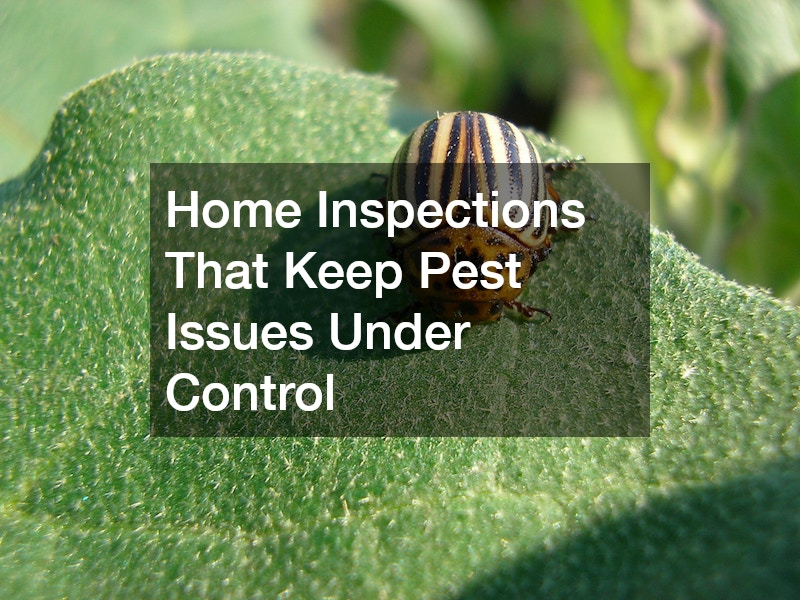
Pest issues are one of the most overlooked problems in homeownership, yet they can cause significant damage if left unchecked. From rodents gnawing through wiring to termites silently weakening structural supports, infestations can be costly and stressful. Fortunately, regular home inspections provide a proactive approach to identify and address these problems before they escalate. Home inspections allow for early detection of pest-prone areas such as decks, landscaping, and even sewer lines, which are often overlooked by homeowners. Using a combination of visual assessments and advanced techniques like infrared inspections, house inspectors can uncover hidden signs of infestations and moisture issues that attract pests. Partnering with local pest control services after an inspection ensures targeted, effective management of any issues found. Additionally, home inspections benefit those planning deck construction or working with a landscaping contractor by identifying potential problem areas that might encourage pests. Whether you are a new homeowner or looking to maintain your current property, understanding how inspections help with pest issues is essential for long-term protection and peace of mind.
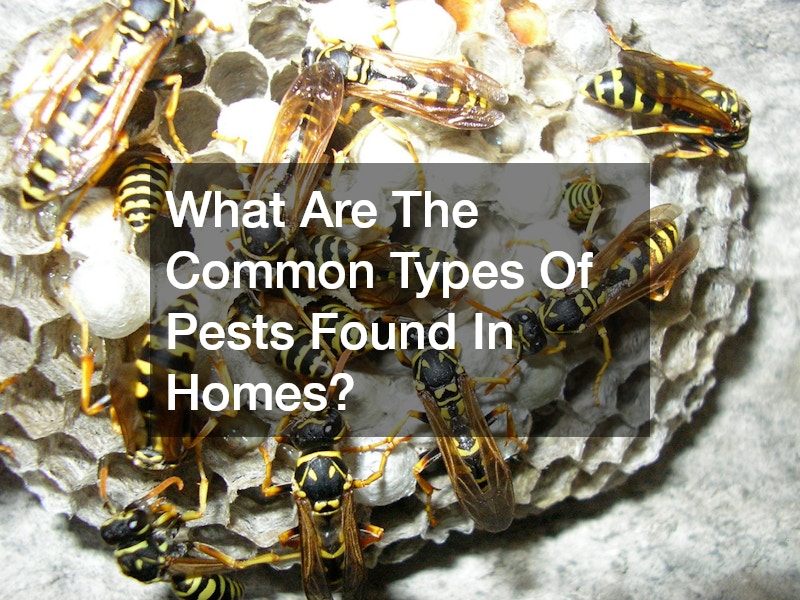
What Are The Common Types Of Pests Found In Homes?
Rodents
Rodents, including mice and rats, are among the most common pests that invade homes. They are notorious for gnawing on wiring, insulation, and wood, often causing costly damage. Rodents can enter through small cracks in foundations, gaps around doors, or spaces in decks built by a deck builder. Their droppings and urine can contaminate food sources and trigger health issues for household members. Home inspections allow house inspectors to identify areas where rodents may enter, such as under decks, around landscaping, or through sewer line connections. Infrared inspections can also reveal hidden rodent activity behind walls and ceilings by detecting heat signatures or unusual movement. When rodent activity is discovered early, local pest control services can implement effective control measures before infestations grow, helping homeowners protect both their property and family from potential health risks. Restoration companies often handle the aftermath of severe rodent damage, but timely inspection can prevent the need for such extensive repairs.
Insects
Insects represent another major category of pest issues, ranging from termites and ants to cockroaches and spiders. Termites, in particular, are a significant concern because they can silently compromise wood structures, including decks and subflooring, making them an essential focus during deck construction or remodeling. Ants and cockroaches are often attracted to moisture and food sources, which may be present in poorly maintained landscaping or near sewer lines. House inspectors trained in pest detection look for telltale signs such as mud tubes, frass, and damaged wood, often using infrared inspections to find hidden infestations. Local pest control services can then deploy targeted strategies to eliminate insects while minimizing environmental impact. Homeowners benefit from understanding how different pests behave and where they are likely to be found, allowing for better preventative measures such as sealing gaps, reducing moisture, and keeping decks and landscaping properly maintained. Addressing insect pest issues early helps protect the value and safety of the property.
How Can A Home Inspection Prevent Pest Infestations?
Identifying Entry Points
One of the primary ways a home inspection prevents pest issues is by identifying potential entry points. These include cracks in the foundation, gaps around windows and doors, and spaces under decks constructed by a deck builder. Even well-designed custom decks can develop vulnerabilities over time, making inspections critical. House inspectors carefully examine both the interior and exterior of the home to locate these access points, often recommending repairs or barriers that prevent pests from entering. Infrared inspections can detect hidden gaps that may otherwise go unnoticed, such as small openings in walls or crawl spaces. Landscaping contractors also play a role by ensuring that plantings and mulch do not create bridges for pests to reach the home. By addressing entry points proactively, homeowners can significantly reduce the risk of infestations, saving time, money, and stress associated with dealing with widespread pest issues later.
Evaluating Moisture Levels
Moisture is a magnet for many types of pests, including termites, ants, and rodents. During a home inspection, inspectors evaluate moisture levels in crawl spaces, basements, decks, and around sewer lines to identify areas at risk for pest activity. Standing water near decks or poorly drained landscaping can create environments conducive to infestations, while high humidity inside the home can attract wood-destroying insects. Infrared inspections are particularly useful in detecting hidden moisture that may not be visible to the naked eye. House inspectors often collaborate with restoration companies to recommend corrective measures such as improving drainage, sealing leaks, or repairing damaged deck supports. Local pest control services rely on these findings to target treatments effectively, addressing pest issues at their source rather than just managing symptoms. Maintaining proper moisture levels is one of the most critical steps in preventing pest problems and ensuring a healthy, pest-free home environment.
What Should Homeowners Look For During A DIY Inspection?
Signs Of Infestation
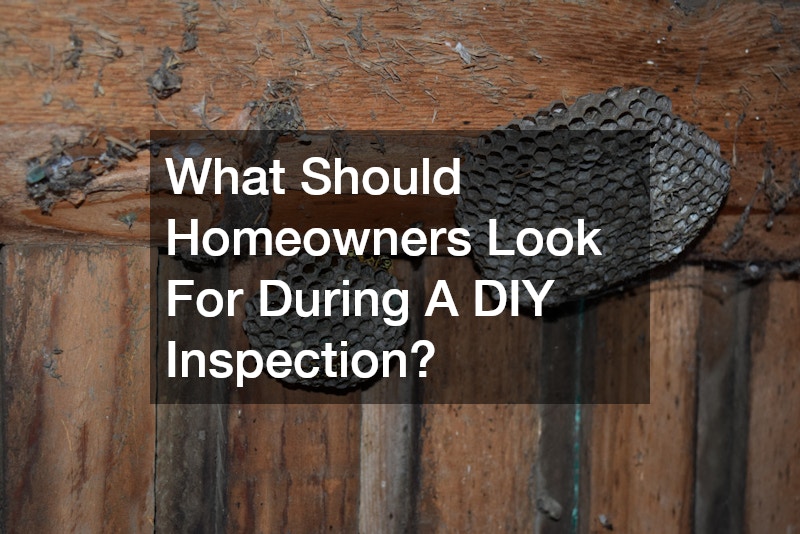
Even before calling in professional pest control, homeowners can perform basic DIY inspections to detect early signs of pest issues. Look for droppings, chewed wiring, damaged wood, mud tubes, or unusual sounds coming from walls or ceilings. Decks, especially custom decks built by professional deck builders, can hide pest activity underneath or in support posts. Landscaping elements like thick mulch, dense shrubs, or improperly maintained flower beds can also harbor pests. Observing the exterior near sewer lines is important, as leaks or cracks can attract rodents and insects. Infrared inspections may reveal additional hidden activity, but even simple visual checks can alert homeowners to potential problems. Recognizing these early warning signs allows homeowners to call local pest control services for timely intervention before infestations grow, ultimately reducing the need for expensive repairs and extensive restoration work.
Structural Concerns
Structural concerns are another critical factor to examine during a DIY inspection. Weak or rotting wood, loose boards in decks, gaps between siding, or cracks in foundations can all serve as entry points and habitats for pests. House inspectors pay close attention to these vulnerabilities during inspections, but homeowners can benefit from checking areas that are easily accessible. Custom decks and landscaping features may hide spots where water collects or where pests can nest, making regular monitoring essential. Inspecting around sewer lines and checking for leaks or damage is also vital, as these areas attract rodents and insects. Addressing structural concerns early not only prevents pest issues but also protects the long-term integrity of the home. Engaging local pest control services or restoration companies after identifying potential risks ensures that problems are mitigated efficiently and effectively.
When Is The Best Time To Schedule A Pest Inspection?
Seasonal Considerations
Pest activity varies with the seasons, making timing a key factor in home inspections. Spring and summer typically bring increased insect activity, while rodents may seek shelter indoors during colder months. Decks and landscaping are particularly vulnerable during these periods, as insects may nest in wooden structures and rodents may hide in shrubs or under decks. Sewer line inspections are also crucial, as seasonal changes can affect moisture levels and attract pests. Scheduling an inspection during peak pest seasons allows house inspectors to catch issues early, and local pest control services can implement treatments at the most effective times. Understanding seasonal patterns helps homeowners plan inspections and preventative measures strategically, reducing the likelihood of infestations and costly remediation later.
Pre-Purchase Inspections
Potential home buyers should never skip pest inspections during the purchase process. A thorough pre-purchase inspection can reveal hidden pest issues, from rodent damage in decks to insect infestations in landscaping areas or near sewer lines. Infrared inspections can uncover hidden problems that might not be apparent during a casual walkthrough. House inspectors provide detailed reports highlighting both current pest activity and potential future risks, allowing buyers to make informed decisions or negotiate repairs. Engaging local pest control services immediately after purchasing a home ensures that any identified issues are addressed promptly. Pre-purchase inspections protect both the financial investment and the health of the household, making them an essential step in the home buying process.
How Can I Choose A Qualified Home Inspector?
Credentials To Look For
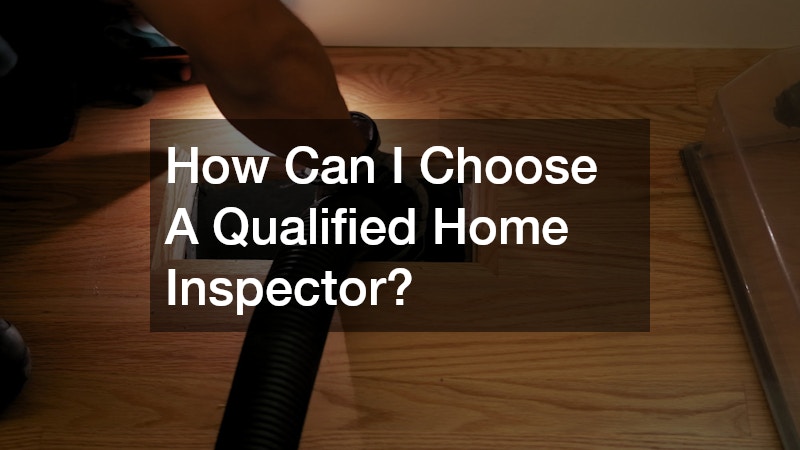
Choosing a qualified house inspector is critical to effectively addressing pest issues. Look for inspectors with certifications in pest detection and general home inspections. Some may have specialized training in infrared inspections, which can detect hidden moisture or structural anomalies that attract pests. Experience with decks, custom decks, and general deck construction is also valuable, as inspectors who understand these structures are better able to identify vulnerabilities. Inspectors familiar with sewer line inspection techniques can uncover entry points for rodents and insects that might otherwise go unnoticed. Engaging a professional with these credentials ensures that potential pest issues are thoroughly documented, giving homeowners a clear roadmap for remediation by local pest control services or restoration companies. A well-qualified inspector not only identifies existing problems but also highlights preventative measures to reduce future infestations.
Reviews And Recommendations
Reviews and recommendations are another vital component in choosing a reliable house inspector. Seek feedback from previous clients, especially regarding inspections that uncovered pest issues, as this reflects the inspector’s thoroughness and attention to detail. Personal referrals from deck builders, landscaping contractors, or local pest control services can also help identify trusted professionals. Online reviews often provide insight into the inspector’s professionalism, reporting style, and willingness to answer questions. A reputable inspector will communicate clearly about their findings, including potential issues in decks, landscaping, and sewer lines, and provide actionable recommendations. Leveraging reviews and recommendations ensures that homeowners engage an inspector capable of protecting their property from pest problems effectively.
What Is Included In A Pest Inspection Report?
Findings And Recommendations
A comprehensive pest inspection report outlines observed pest activity, structural vulnerabilities, and moisture concerns. Common findings include evidence of rodents, termites, or other insects, as well as damage to decks, landscaping areas, or foundations. Infrared inspections may reveal hidden moisture or heat signatures indicating pest nesting sites. The report typically includes recommended actions, such as targeted pest control treatments, sealing of entry points, repairing damaged deck supports, or landscaping adjustments to reduce risk. Local pest control services rely on these reports to implement effective treatment plans, while restoration companies may be called in for severe damage remediation. By providing detailed findings and recommendations, inspectors equip homeowners with the knowledge necessary to prevent and manage pest issues proactively.
Cost Implications
Understanding the cost implications of pest issues is an essential part of the inspection process. Minor infestations may require only local pest control services, whereas more significant problems can involve structural repairs, deck reconstruction, or sewer line repairs. Infrared inspections and specialized assessments may add to inspection costs but are worthwhile for early detection. Restoration companies often handle severe infestations or damage, which can be expensive if issues are ignored. Proactive inspections help homeowners prioritize interventions and budget effectively for necessary treatments. Addressing pest issues promptly not only protects the home but also prevents the escalating costs associated with unchecked infestations.
Are There Specific Pests That Require More Attention During Inspections?
Termites And Wood-Destroying Insects
Termites and other wood-destroying insects require special attention during home inspections due to their ability to silently compromise structural integrity. Decks, particularly custom decks, are at risk if not properly maintained or treated. Inspectors assess for signs of termite activity, such as mud tubes, damaged wood, or hollow-sounding boards, and evaluate surrounding landscaping for conditions that attract pests. Infrared inspections can help locate hidden termite colonies within walls or structural beams. Prompt identification allows local pest control services to implement treatments that protect the home’s wood structures. Ignoring termite threats can lead to costly repairs and restoration work, highlighting the importance of thorough inspections.
Bed Bugs And Other Difficult Pests
Certain pests, like bed bugs, fleas, or certain invasive insects, require unique inspection approaches. Bed bugs, for instance, often hide in cracks, mattresses, or furniture, making detection challenging. House inspectors trained in pest detection use visual assessments combined with specialized tools to identify these hidden infestations. Landscaping and decks are less relevant for these pests, but sewer line inspection may reveal other difficult-to-detect pests like cockroaches or rodents that exploit water sources. Understanding which pests require specialized attention ensures homeowners take appropriate action, often in collaboration with local pest control services for targeted interventions.
What Are Effective Pest Control Methods Recommended Post-Inspection?
Chemical Treatments
Chemical treatments remain one of the most common approaches to managing pest issues. Local pest control services may use insecticides, rodenticides, or termiticides, applied strategically based on inspection findings. Treatments can target specific entry points, deck supports, landscaping areas, or sewer line access points to maximize effectiveness while minimizing environmental impact. Professional application ensures that chemicals reach hidden nests or activity zones identified during infrared inspections and visual assessments. Chemical treatments are particularly useful for severe infestations, but they work best when combined with preventative measures recommended in the inspection report.
Non-Chemical Alternatives
Non-chemical pest control methods provide homeowners with eco-friendly options to manage infestations and prevent future pest issues. Techniques include sealing entry points, repairing damaged decks, improving landscaping drainage, and using traps or bait stations for rodents and insects. House inspectors often recommend these methods as part of an integrated pest management plan. Infrared inspections help identify problem areas where non-chemical solutions can be applied effectively. Collaboration between local pest control services, deck builders, and landscaping contractors ensures that both structural and environmental factors contributing to pest activity are addressed. Non-chemical alternatives are especially appealing for families with pets or children and contribute to long-term pest prevention.
Understanding pest issues and the role of home inspections is essential for maintaining a safe, healthy, and structurally sound home. Inspections allow for early detection of rodents, insects, and other pests that can damage decks, landscaping, or sewer lines. Infrared inspections and thorough evaluations by qualified house inspectors provide homeowners with the information needed to address problems before they escalate. Working with local pest control services ensures that identified issues are managed effectively, while restoration companies can remediate any significant damage. Preventative measures, including proper deck construction, maintenance of custom decks, and landscaping adjustments, are key to reducing pest activity. Seasonal timing and pre-purchase inspections further enhance the effectiveness of these evaluations. By prioritizing home inspections, homeowners can proactively prevent infestations, protect their investment, and enjoy a pest-free living environment. Regular inspections combined with timely interventions create a long-term strategy that safeguards both the property and the health of its occupants.