Pest control is a critical aspect of maintaining a healthy and safe living environment. It plays a crucial role in protecting our homes and businesses from the ravages of pest infestations.
A professional pest control service should utilize their expertise and knowledge to manage and eradicate pests effectively. Their role is indispensable in ensuring that pests do not cause damage or pose health risks.
This article delves into the processes and methodologies used by professionals in pest control, providing a comprehensive overview for better understanding.
1. What are the Essential Tools Used in a Pest Control Service?
1.1 Understanding Common Pest Control Equipment
Every pest control service uses a variety of tools to perform their duties efficiently. Some of the most common tools include sprayers, baiting gels, and traps.
Each tool has a specific purpose, and its selection depends on the type of pest and the environment being treated. For instance, sprayers are ideal for dispersing pesticide over large areas, while traps are essential for capturing rodents.
Effective use of these tools requires knowledge of both the pest and the equipment, ensuring that the application is safe and successful.
1.2 Safety Equipment and Its Importance
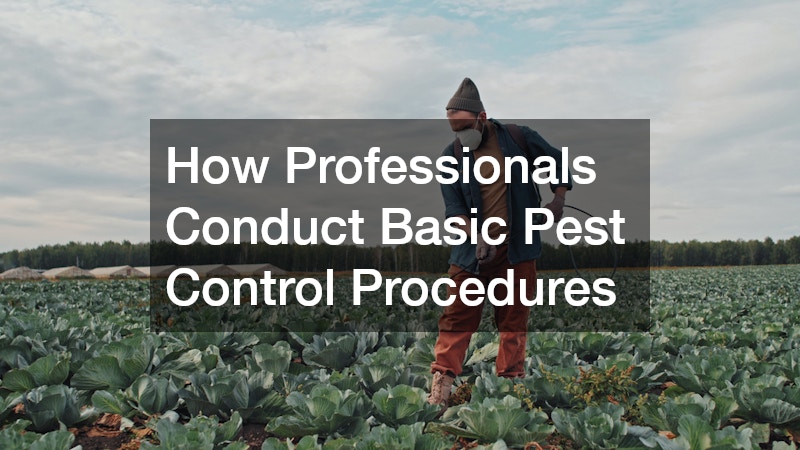
Safety is paramount in pest control, and professionals prioritize the use of personal protective equipment (PPE). Common safety gear includes gloves, masks, goggles, and protective clothing.
These protective items safeguard technicians from exposure to potentially harmful chemicals and biological agents. Their use also prevents the accidental spread of substances during application.
By adhering to strict safety protocols, pest control service professionals ensure their own safety and that of the environment they are working in.
2. How Do Professionals Identify Pest Infestations?
2.1 Signs of Infestation
Professionals are trained to recognize the subtle signs of pest infestations that might be missed by the untrained eye. Indicators include droppings, nests, and unusual odors.
Visual inspection is often complemented with evidence such as noise in walls, tracks, and damaged goods. Non-visual signs play a key role in revealing hidden pest activities.
Prompt detection of these signs enables professionals to address pest issues before they escalate, thus preventing extensive damage and health risks.
2.2 Technologies and Methods for Detection
Modern technologies have revolutionized pest detection, providing more accurate and efficient ways to identify infestations. Tools like motion sensors and infrared detectors allow for non-invasive monitoring.
These technologies supplement traditional methods, providing a robust framework for detecting pests hidden in inaccessible places. Methods like pheromone traps and electronic monitoring systems are also widely used.
3. What Steps Are Involved in Developing a Pest Control Plan?
3.1 Assessment and Risk Analysis
Developing a pest control plan begins with a thorough site assessment to determine the extent of the infestation. Professionals evaluate factors such as the type of pest, population size, and affected areas.
Risk analysis is crucial in understanding the potential impact of pests on health and property. This involves assessing the environment and identifying conditions conducive to pest proliferation.
3.2 Treatment Strategy and Implementation
Once the assessment is complete, professionals develop a targeted treatment strategy that addresses the identified issues. This involves selecting appropriate methods and materials for extermination.
Implementation of the treatment plan is meticulously handled to ensure safety and efficacy. Techniques such as chemical sprays, traps, and exclusion methods are employed based on the strategy.
4. What are Common Pests and How Are They Managed?
4.1 Strategies for Insect Control
Insects are among the most common nuisances, and pest control strategies must be adapted to tackle them effectively. Professionals use a combination of chemical and biological methods for insect control.
Techniques such as fumigation and baiting are employed to eradicate insect populations. Pest control experts often rely on environmentally friendly solutions to minimize ecological impact.
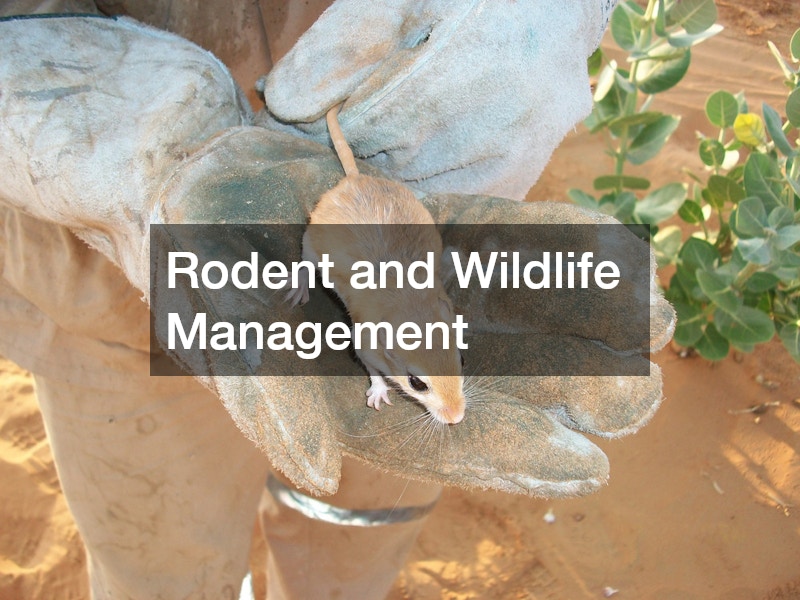
4.2 Rodent and Wildlife Management
Rodents and wildlife require different management approaches due to their varied behaviors and habitats. Trapping and exclusion techniques are widely used to capture and prevent their entry.
Frequent monitoring and placement of deterrents like ultrasonic devices are also effective measures in wildlife management. Professionals focus on humane methods consistent with wildlife protection laws.
Effective rodent and wildlife management not only solves current issues but also implements long-term preventative measures to reduce future occurrences.
5. How Do Professionals Ensure Long-term Pest Prevention?
5.1 Regular Monitoring and Maintenance
Long-term pest prevention is achieved through consistent monitoring and maintenance efforts. Regular inspections help identify potential pest problems and address them before they escalate.
Pest control professionals develop maintenance schedules tailored to the unique needs of each property. This proactive approach delays the onset of new infestations significantly.
Continuous monitoring efforts ensure that pest control measures are effective over time, thus providing peace of mind to property owners.
5.2 Integrated Pest Management (IPM) Practices
Integrated Pest Management (IPM) is a holistic approach that combines various strategies for sustainable pest control. IPM emphasizes prevention, inspection, and appropriate control techniques.
By integrating cultural, biological, and physical tools with chemical treatments, IPM reduces reliance on pesticides. This practice addresses pest issues while safeguarding human health and the environment.