
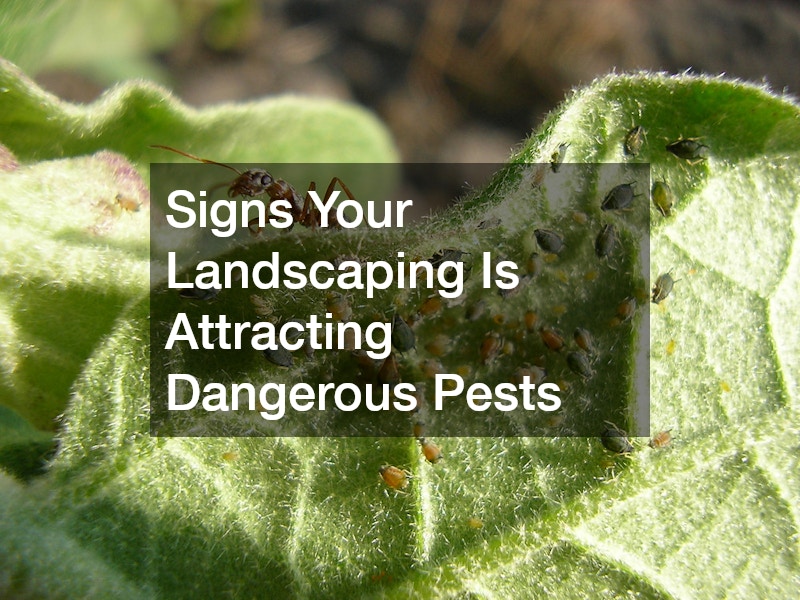
Most homeowners view their landscaping as a source of pride, a lush sanctuary that boosts curb appeal and provides a space for relaxation. However, without realizing it, the very plants and features you love could be acting as a welcome mat for unwanted guests. Pests do not just appear out of nowhere; they are drawn to environments that offer food, water, and easy access to shelter. When your outdoor space becomes overgrown or neglected, it creates a biological bridge that leads straight into your living room.
Managing Overhanging Branches and Vertical Bridges
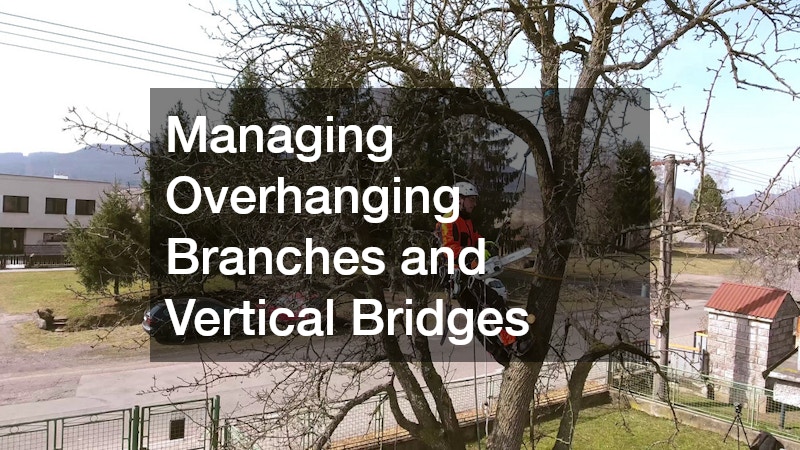
Squirrels, raccoons, and even certain types of heavy-bodied ants use branches as easy access points to reach your roof. Once they are on the roof, they search for any gap, no matter how small, to enter your attic or crawlspaces. This is why maintaining a clear perimeter between your foliage and your shingles is the most effective way to prevent aerial invasions.
One of the most immediate signs of trouble is seeing branches that sway within three to five feet of your home. To mitigate this risk, consistent tree trimming is necessary. By removing these bridges, you force pests to travel across the ground where they are more exposed and less likely to find a secret entrance.
Professional tree services can provide the height and equipment needed to safely thin out a dense canopy. These experts ensure that the health of the tree is maintained while creating the necessary clearance to protect your home.
Actionable Tips for Vertical Defense:
- Maintain a minimum of six to ten feet of clearance between branches and the roof.
- Prune any limbs that hang directly over the driveway or porch.
- Check for “vines” or climbing ivy that can act as a ladder for insects.
- Monitor your gutters for leaf buildup, which provides a nesting spot for pests jumping from nearby trees.
If a tree is showing signs of significant decay, such as large fungal growths at the base or major dead limbs, it may be too late for simple pruning. In these instances, complete tree removal is the safest course of action.
Addressing Ground-Level Vulnerabilities and Soil Contact
The area where your landscaping meets your foundation is the most critical zone for pest prevention. Many people make the aesthetic choice to plant thick shrubs or dense groundcover right up against their exterior walls. While this looks beautiful, it creates a dark, moist microclimate that is perfect for wood-destroying organisms and rodents.
If you have older wood cladding that has been touching wet soil or foliage for years, you may notice signs of soft or crumbling material. Investing in new siding installations can provide a fresh start with modern materials that are specifically designed to resist moisture and pest penetration. Modern fiber-cement or treated vinyl is far less attractive to boring insects than aged, water-logged cedar.
Beyond the walls themselves, the foundation must be impenetrable. A local masonry business can help by inspecting the concrete or brickwork for hairline fractures. Even a crack as thin as a credit card can allow an entire colony of ants or a small mouse to enter your basement.
Specific Signs of Ground-Level Issues:
- Mud tubes are climbing up the side of your foundation.
- Piles of sawdust or “frass” near the bottom of your exterior walls.
- Shrubbery that prevents you from seeing the bottom six inches of your siding.
- Moist soil that never seems to dry out due to heavy shade from plants.
Repointing brickwork or sealing stone veneers is a vital maintenance step that many overlook. Hiring a masonry business ensures that the mortars used are appropriate for your climate and structure, effectively “locking out” pests that seek refuge in wall voids. If you find that pests are already nesting in your flower beds or mulch, you might need a professional pest control service to create a chemical perimeter.
Managing Moisture and Structural Weak Points
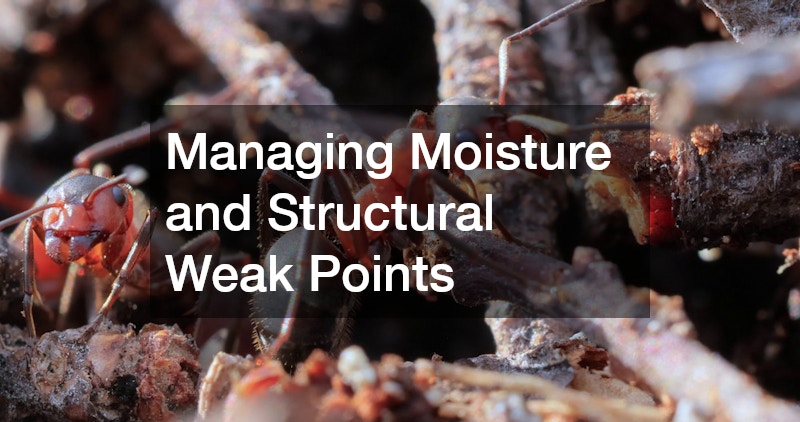
Water is the primary driver for almost every major pest infestation. Without a consistent water source, most insects and rodents will move on to a different property. Landscaping that traps water, such as poorly graded lawns or flower beds with heavy clay soil, will inevitably lead to pest trouble inside the home.
Subterranean wood-eaters are particularly drawn to areas where wood remains in contact with damp earth. This is why specialized termite control is so important for homes with wooden decks, porches, or old-growth landscaping. These specialists can identify the specific species active on your land and implement a targeted plan to stop them before they reach your floor joists.
A common sign of moisture-related pest attraction is the presence of damp wood or moldy smells in your crawlspace. If the landscaping is pushing water toward the house, a professional pest extermination service should be called to evaluate the extent of the hidden damage. They can determine if the current population is just a nuisance or a structural threat.
Moisture Control Checklist:
- Ensure downspouts extend at least three feet away from the foundation.
- Replace wood mulch with gravel or rubber mulch in areas touching the house.
- Grade your lawn so that water flows away from the structure, not toward it.
- Fix leaky outdoor faucets or irrigation lines immediately.
When the moisture isn’t on the ground, it is often on the roof. Clogged gutters or broken tiles allow water to seep into the wooden fascia boards. Timely roof repair is necessary to stop this rot, which is a major attractant for carpenter ants and wood-boring beetles that love “soft” wood.
Raccoons and squirrels can easily tear through water-weakened wood to nest in your insulation. In these cases, you will require wildlife removal to safely and humanely extract the animals and prevent them from returning.
Indicators of Hidden Infestations in Your Garden
Sometimes the signs of an impending pest problem are not on the house itself, but in the health of the plants. Certain pests use specific trees and shrubs as “nurseries” before they expand their territory. If you notice that your ornamental plants are looking sickly, it might be an early warning sign for your home.
Look for leaves that are curled, yellowed, or covered in a sticky substance known as honeydew. This substance is excreted by aphids and scale insects, which in turn attract large numbers of ants. If you see an “ant trail” leading from a tree to your siding, you are seeing the precursor to an indoor infestation.
Botanical Red Flags:
- Premature leaf drop or thinning of the interior canopy.
- Visible holes in the bark of your trees may indicate borers.
- Large mounds of earth appear overnight in the lawn.
- Trees that lean significantly after a rainstorm, suggesting root damage.
If your garden has become a breeding ground for destructive species, a comprehensive pest control service can help you manage the outdoor population. By reducing the number of pests in the yard, you naturally reduce the pressure on your home’s entry points. It is much easier to manage insects in the garden than it is to remove them from your walls. Using a professional pest extermination service to treat these areas can prevent them from becoming “mother colonies” for insects that eventually find their way into your garage or basement.
Long-Term Maintenance and Prevention Strategies
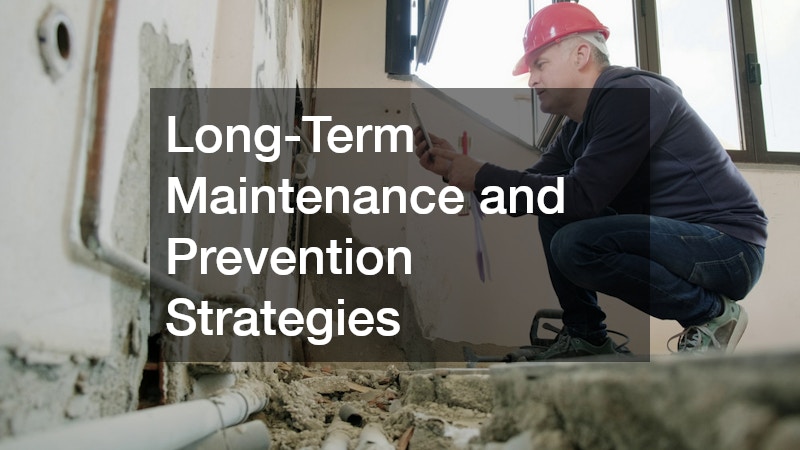
Maintaining a pest-free home is an ongoing process that requires a combination of horticultural knowledge and structural maintenance. You cannot simply spray a chemical and expect a permanent solution if the underlying landscape issues remain. The goal is to make your property as unattractive to pests as possible by removing the elements they need to survive.
One of the best long-term investments you can make is a regular inspection of your home’s envelope. Check the areas where utility lines enter the house, as these are often overlooked entry points. Small gaps around pipes can be filled with copper mesh or professional-grade sealants to keep rodents at bay.
Seasonal Maintenance Tasks:
- Spring: Clear out any debris that accumulated over the winter near the foundation.
- Summer: Monitor irrigation levels to ensure you aren’t overwatering your garden beds.
- Fall: Trim back all perennials and remove dead vegetable plants from the garden.
- Winter: Inspect the attic for signs of droppings or nesting material.
If you live in an area with high termite activity, consider an annual inspection. Professional termite control is much more affordable than the thousands of dollars in repairs required after a colony has been feeding on your home for years.
If you see paint bubbling or wood swelling, address the moisture issue immediately. Whether it requires a quick roof repair or a more extensive project like replacing your gutters, acting quickly is the key to preventing a small problem from becoming a full-blown infestation.
Evaluating the Impact of Hardscaping on Pests
Hardscaping refers to the non-living elements of your yard, such as paths, walls, and patios. While these are often thought of as “pest-proof,” they can actually provide the perfect environment for certain species if they are not maintained. Gaps between pavers or cracks in a concrete patio can harbor thousands of ants or even provide a burrow for small rodents.
A well-installed patio should have a solid base and tightly sealed joints. If your stone paths are starting to shift or show wide gaps, reaching out to a masonry business to refresh the polymeric sand or mortar can stop pests from using those voids. This simple maintenance step removes the protection that these insects use to survive the winter.
If the siding installations were done without a proper kick-out flashing, water can get trapped behind the boards and the hardscaping. This hidden moisture creates a “termite highway” that is completely invisible from the outside.
Hardscaping Best Practices:
- Use landscape fabric under gravel paths to prevent weed growth that attracts bugs.
- Seal cracks in your driveway or sidewalk as soon as they appear.
- Ensure that any retaining walls have proper drainage holes to prevent water pooling.
- Keep firewood piles at least twenty feet away from any hardscaped area connected to the house.
If you have a large-scale project involving the removal of old stone walls or the clearing of land, you might inadvertently disturb existing nests. This is a prime time to hire a professional pest control service to monitor the property during the transition. They can ensure that the “disturbed” pests don’t simply relocate into your home.
Properly managing the flora on your property also includes knowing when to give up on a diseased specimen. Large trees that have been compromised by pests are a safety hazard during storms. Professional tree removal ensures that these heavy risks are taken down without damaging your home’s roof or siding.
Integrating Professional Help for a Healthy Home

Combining the expertise of landscaping professionals with pest management experts creates a multi-layered defense system for your home. This integrated approach is the only way to ensure long-term success in a high-pest environment.
Ensure your masonry business checks the integrity of the chimney and foundation. At the same time, have your tree services evaluate the canopy to ensure no branches will damage your new roof or siding during a high-wind event.
Once the structural work is complete, a pest extermination service can come in to provide a baseline treatment. This ensures that any pests that were stirred up during the construction are eliminated before they can settle into the new parts of your home.
Finding the Right Partners:
- Ask for certifications and insurance from any tree or masonry contractor.
- Look for pest companies that offer Integrated Pest Management (IPM) strategies.
- Verify that your roofing contractor checks for animal entry points, not just leaks.
- Ensure that your siding installers use high-quality house wrap to prevent moisture.
If you have already seen wildlife in your garden that seems too comfortable around your home, do not wait until they find a way in. Calling for professional wildlife removal early can save you the headache of cleaning up an attic full of droppings or repairing chewed electrical wires. Prevention is always cheaper and less stressful than a reactive fix.
Creating a beautiful yard does not have to mean inviting pests into your home. By understanding the signs of attraction—overhanging branches, excessive moisture, and structural gaps—you can enjoy your outdoor space while maintaining a secure interior. The key is to view your home and yard as a single, connected system that requires regular maintenance and professional oversight.