
Pest problems rarely begin with a dramatic infestation. They usually start with a small opening, a hidden moisture source, an uncovered food container, or a neglected area around the property. By the time pests are visible in large numbers, they may already have established nests, damaged building materials, contaminated stored goods, or created conditions that are harder and more expensive to correct. A proactive approach focuses on removing the conditions pests need before they become a larger problem.
Protecting a property requires attention to both the building and the surrounding landscape. Indoor sanitation, exterior maintenance, moisture control, structural repairs, and routine inspections all work together. No single step provides complete protection, but consistent habits can significantly reduce the likelihood of recurring activity. Property owners should also understand when a situation can be managed with basic prevention and when professional help is the safer choice. The goal is not simply to react when pests appear. It is to make the property less accessible, less attractive, and easier to monitor throughout the year.
How Can Regular Property Inspections Prevent Bigger Pest Problems?
A routine inspection is one of the most useful tools for catching pest activity early. Property owners should walk the exterior at least once each season and look closely around foundations, siding, rooflines, vents, doors, windows, utility penetrations, and crawl-space openings. Gaps around pipes and cables are especially easy to miss. Even a narrow opening may give insects or small animals access to wall cavities, storage areas, kitchens, or attics. Damaged screens, worn weatherstripping, loose vent covers, and cracks in masonry should be repaired promptly rather than added to a growing maintenance list.
Indoor inspections should focus on kitchens, pantries, basements, laundry rooms, garages, and other areas where food, warmth, and moisture are available. Look for droppings, grease marks, gnawing, shed wings, small piles of debris, damaged packaging, unusual odors, and live insects. Effective mice control often starts with recognizing subtle evidence before an entire population becomes established. The same is true for ant control, since a few visible ants may indicate a larger colony traveling through hidden wall spaces. Documenting where signs appear can help reveal patterns and make follow-up treatment more precise.
Moisture deserves special attention during every inspection. Leaking pipes, dripping faucets, blocked gutters, poorly ventilated crawl spaces, and condensation around appliances can support many kinds of pests. Damp wood and soil near the foundation also create favorable conditions for insects. Property owners should correct leaks, improve drainage, and use ventilation or dehumidification where needed. A simple checklist can make inspections more consistent. Record the date, areas examined, problems found, repairs completed, and locations that need rechecking. This creates a practical history of the property and makes gradual changes easier to notice.
Why Does Proper Yard Maintenance Reduce Pest Activity?
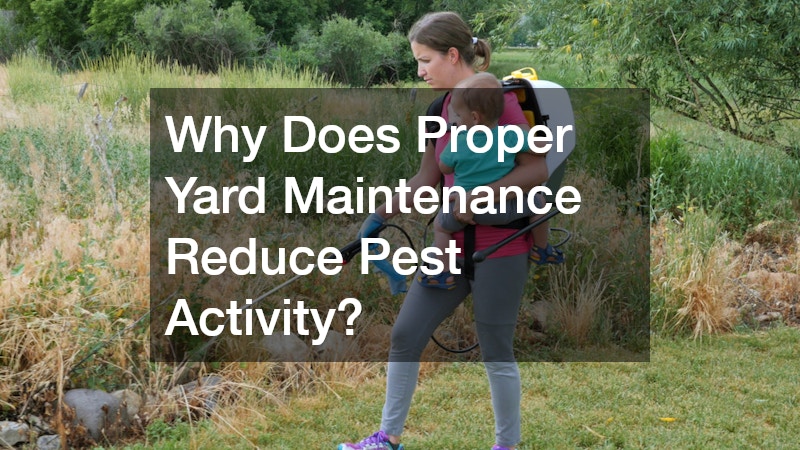
The condition of the yard can strongly influence what happens inside the building. Overgrown shrubs, climbing vines, tree limbs touching the roof, and dense ground cover provide shelter and travel routes for insects and animals. Vegetation should be trimmed back so there is a visible gap between plants and the structure. Tree branches should not rest on the roof or hang directly over it, since they can provide access to upper openings, gutters, and attic vents. Grass should be kept at a manageable height, and fallen fruit should be removed before it attracts insects or animals.
Woodpiles, unused containers, old landscaping materials, and yard debris should be moved away from the foundation. Firewood is best stored off the ground and several feet from the building. Piles of leaves, lumber, stones, and cardboard can hold moisture and create hidden nesting areas. Good wildlife control begins with removing the easy shelter and food sources that encourage animals to remain near the property. Compost bins should have secure lids, birdseed should be stored in sealed containers, and feeding areas should be cleaned regularly.
Trash management is equally important. Outdoor bins should close tightly and should not remain overflowing. Rinse containers when possible, clean spills around collection areas, and avoid leaving pet food outside overnight. If signs of burrowing or nesting appear, avoid sealing an opening without first determining whether an animal is inside. Improper closure can trap wildlife within a wall, attic, or crawl space. In those cases, animal removal should be handled carefully, with attention to both the animal’s location and the entry point it used. After removal, damaged openings should be repaired so the same route cannot be used again.
What Makes Your Home Attractive to Rodents?

Rodents are drawn to properties that provide food, water, nesting material, and protected access. Kitchens and pantries are obvious problem areas, but garages, sheds, basements, utility rooms, and pet-feeding stations can be just as attractive. Dry goods should be transferred from thin bags or cardboard boxes into durable, tightly sealed containers. Pet food, birdseed, livestock feed, and grass seed should also be protected. Crumbs under appliances, grease around cooking areas, and spills behind storage shelves can support activity even when the rest of the room appears clean.
Exterior access points are a major factor in rodent control. Inspect around garage doors, foundation vents, utility lines, exterior faucets, roof returns, and places where siding meets masonry. Gaps should be sealed with materials appropriate for the surface and resistant to gnawing. Doors should close completely, and worn sweeps should be replaced. Attic vents, chimney openings, and crawl-space covers should be screened without restricting necessary airflow. Because rodents can use very small openings, repairs should be thorough rather than limited to the most obvious holes.
Early warning signs include scratching noises, droppings, shredded insulation, gnawed packaging, rub marks along walls, and nesting material in undisturbed areas. Traps may help with a small, localized issue, but they should be placed safely and checked regularly. Random placement is less effective than positioning devices along travel routes, near walls, and close to confirmed signs. If activity continues despite sanitation and exclusion efforts, a qualified mice exterminator can help determine where rodents are entering, how extensive the problem is, and which control methods are appropriate. Long-term success depends on correcting access and attraction factors, not simply removing individual animals.
How Can Homeowners Prevent Costly Termite Damage?
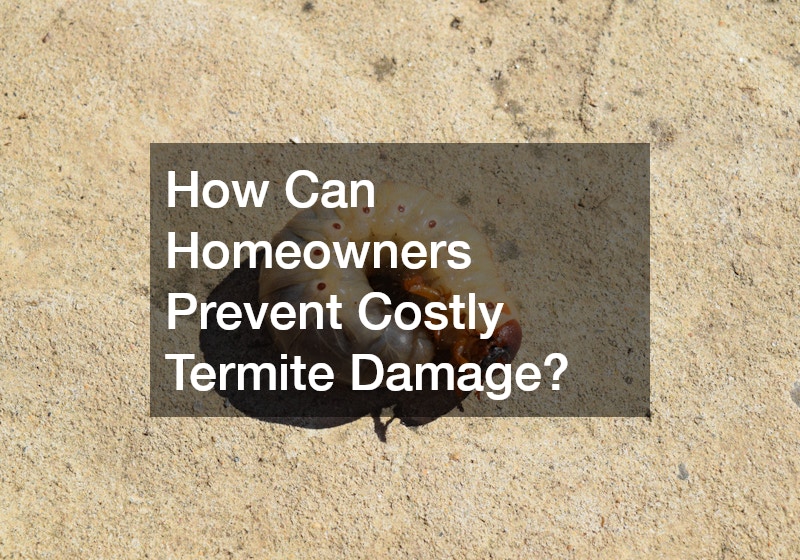
Termites are difficult to detect because much of their activity occurs inside wood, soil, or concealed structural spaces. Prevention begins with reducing the contact points and moisture conditions that allow colonies to approach a building unnoticed. Wood siding, porch supports, lattice, fence posts, and stored lumber should not make unnecessary contact with soil. Soil and mulch should remain below siding and weep holes so the foundation can be inspected. Any wooden material left beside the building should be removed or stored properly.
Water management is another essential part of termite control. Gutters should remain clear, downspouts should carry water away from the foundation, and irrigation systems should not repeatedly soak walls or crawl-space areas. Plumbing leaks should be repaired quickly, especially in bathrooms, kitchens, laundry areas, and under raised floors. Poor ventilation can keep structural wood damp enough to support insect activity and decay. Crawl spaces may need improved airflow, vapor barriers, drainage correction, or professional moisture evaluation.
Property owners should watch for discarded wings near windows, mud tubes along foundations, blistered paint, hollow-sounding wood, and floors or trim that begin to distort. These signs do not always confirm an active colony, but they warrant closer inspection. Avoid disturbing suspicious areas before they can be evaluated, since doing so may make activity harder to locate. Regular professional inspections are particularly valuable for older buildings, properties with previous activity, and homes in areas where termites are common. Early detection can limit structural damage and provide more treatment options than waiting until visible deterioration develops.
What Should You Do When Stinging Insects Build Nests?
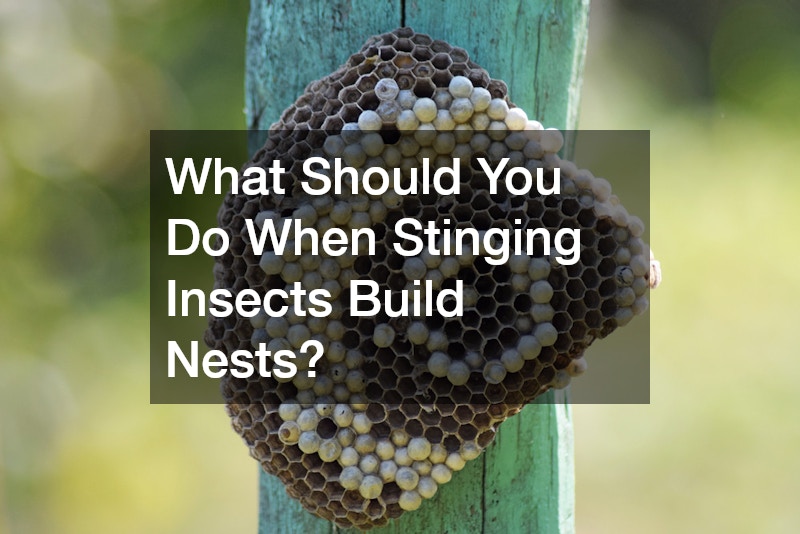
Stinging insects often build nests in eaves, wall voids, trees, shrubs, sheds, attics, ground cavities, and sheltered outdoor equipment. The first step is to observe from a safe distance and identify the general flight path. Do not strike the nest, block the opening, spray it from close range, or attempt removal during periods of heavy activity. Disturbing a colony can trigger defensive behavior, especially when the nest is mature or located in an enclosed area.
Property owners can reduce nesting opportunities by sealing gaps around soffits, vents, siding, flashing, and exterior fixtures before the active season begins. Outdoor food should be covered, trash containers kept closed, and sugary spills cleaned quickly. Fallen fruit and open beverage containers can attract foraging insects. Regularly inspect rarely used structures, play equipment, patio furniture, grills, and storage areas where small nests may develop unnoticed.
Wasp extermination may be necessary when a nest is close to doors, walkways, work areas, play spaces, or other locations where contact is likely. Professional assistance is also advisable when the nest is inside a wall, high above the ground, beneath the soil, or difficult to identify. People with known sting allergies should not attempt treatment. After the nest is inactive, the access point should be inspected and repaired where appropriate. However, openings should not be sealed while insects are still entering and exiting, since they may move deeper into the structure or find a route indoors.
When Should Wildlife Be Removed by Professionals?
Wild animals may enter attics, crawl spaces, chimneys, garages, sheds, and wall cavities in search of shelter. Common signs include movement at night, droppings, nesting material, damaged insulation, chewed wiring, displaced vent covers, and odors from confined spaces. Before taking action, property owners should determine where the sound or damage is occurring and whether young animals may be present. Seasonal breeding can make removal more complicated, especially when dependent offspring are hidden inside the structure.
A wildlife removal service can inspect the property, identify the species involved, locate entry points, and recommend an approach suited to the situation. This is important because different animals require different handling methods, and local rules may regulate trapping, relocation, or exclusion. Simply placing a trap without correcting access points may remove one animal while leaving the property open to others. Likewise, sealing the primary opening too soon can trap an animal indoors and lead to additional damage.
The term animal exterminator is sometimes used broadly by property owners, but wildlife issues are often best addressed through exclusion, removal, repair, and habitat modification rather than indiscriminate killing. One-way doors, chimney caps, reinforced vents, sealed construction gaps, and repairs to damaged rooflines may be part of the solution. Once the animals are gone, contaminated insulation, nesting material, and droppings may need safe cleanup. The final step is prevention: secure trash, remove outdoor food sources, trim access routes, and inspect repaired areas regularly for signs of renewed entry.
How Do Year-Round Prevention Strategies Save Time and Money?
Pest prevention is most effective when it follows a seasonal schedule rather than relying on occasional attention. In spring, inspect for winter damage, repair screens, check foundations, clear gutters, and trim vegetation before growth becomes dense. Summer maintenance should focus on moisture, outdoor food sources, standing water, and increased insect activity. In fall, seal openings before temperatures drop and animals begin searching for shelter. Winter is a useful time to inspect attics, storage rooms, basements, and utility spaces for hidden activity.
Weather events can change pest pressure quickly. Heavy rain may drive insects and animals toward dry structures, while high winds can damage roof vents, flashing, screens, and soffits. Drought may push pests closer to irrigation systems, pet water, and indoor plumbing. After severe weather, examine the exterior for new openings and check low areas for standing water. Ongoing wildlife control is much easier when damage is repaired before animals become established.
The same principle applies to rodent control. A property may appear secure for months, but a damaged door sweep, open utility gap, or poorly stored bag of feed can create a new opportunity. Keep maintenance records, note recurring locations, and recheck previous problem areas. For larger properties, rental units, food facilities, or buildings with repeated activity, scheduled professional inspections may be worthwhile. Planned maintenance generally requires less disruption than emergency treatment and gives property owners more time to address structural conditions before they become expensive.
Building a Safer, More Resilient Property
Protecting a property from pests depends on consistency more than any single product or treatment. Regular inspections, prompt repairs, good sanitation, moisture management, secure storage, and thoughtful landscaping remove many of the conditions that allow problems to grow. These steps also make warning signs easier to notice, giving property owners an opportunity to respond before damage spreads into walls, insulation, wiring, stored goods, or structural materials.
The most effective approach combines prevention with informed action. Minor issues may be corrected through cleaning, sealing, pruning, drainage improvements, or better storage practices. Other situations require trained professionals, especially when stinging insects, structural damage, concealed infestations, or wild animals are involved. The key is to avoid waiting until the problem becomes impossible to ignore.
A well-maintained property is not guaranteed to remain completely pest-free, but it is far less likely to support repeated or severe activity. By addressing access, food, water, and shelter throughout the year, property owners can reduce risk, protect building conditions, and respond to new concerns with greater confidence.