
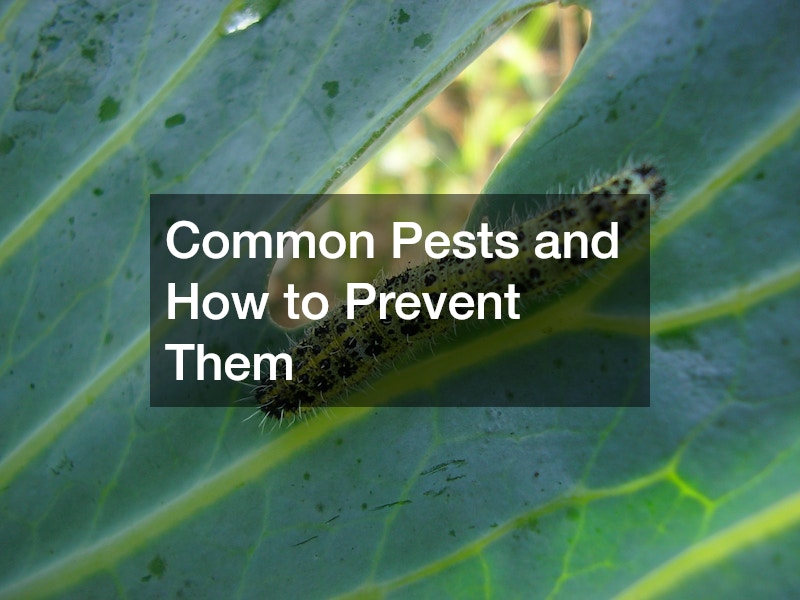
Few things disrupt the comfort and security of homeownership as suddenly as discovering an unexpected pest infestation. Whether it is the soft rustle of rodents in the attic during a quiet night or the sight of foraging insects along kitchen baseboards, unwanted invaders quickly turn a sanctuary into a source of anxiety. Beyond immediate discomfort, uninvited critters can pose genuine hazards to human health, contaminating food surfaces, triggering respiratory issues, and spreading bacteria throughout living spaces. Furthermore, certain wood-destroying organisms quietly compromise structural integrity, turning what seems like a minor annoyance into a costly repair bill.
Taking a reactive stance toward household invaders often leads to frustrating cycles of temporary relief followed by recurring invasions. When homeowners wait until a major infestation manifests before taking action, the cost of remediation skyrockets, and property damage is frequently already done. Proactive preventative strategies offer a far superior path forward, saving substantial amounts of money, reducing personal stress, and preserving the physical structure of your house over time. By addressing root causes that attract pests in the first place—such as excess moisture, unsealed access points, and accessible food sources—you can build an effective barrier that keeps invaders away before they ever cross your threshold.
Understanding how to safeguard your home requires practical knowledge of pest behavior, habitat preferences, and structural vulnerabilities. This guide provides an actionable roadmap for homeowners who want to take control of their environment. You will explore step-by-step methods for identifying and sealing hidden interior entry points, maintaining foundational clearance to block wood-destroying insects, securing food supplies against persistent scavengers, and managing outdoor risks like stinging nest-builders. Armed with these professional-grade strategies and routine maintenance habits, you can establish a resilient defense system that keeps your living space clean, safe, and entirely pest-free throughout every season.
Securing Your Home’s Interior Against Insects
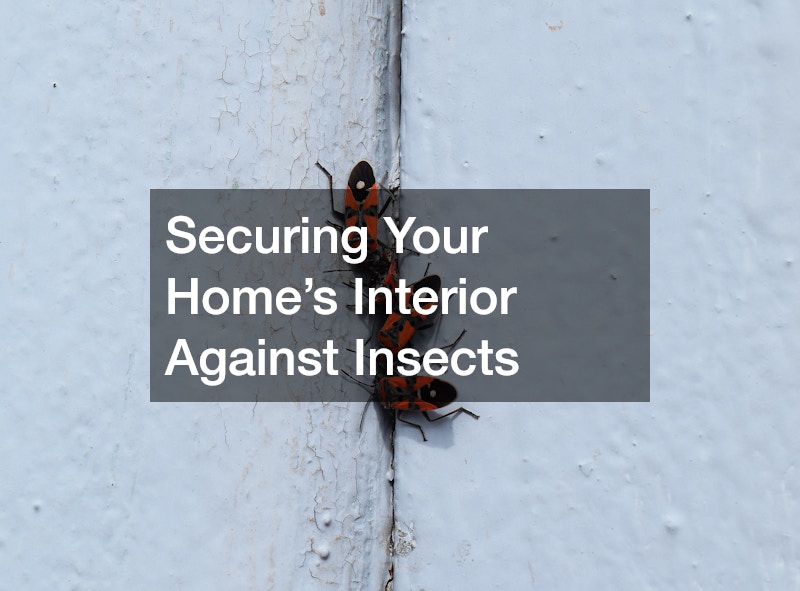
The interior of a home provides crawling insects with everything they need to thrive: shelter, warmth, food residues, and moisture. Preventing these persistent creatures from establishing a foothold inside living spaces begins with a thorough audit of your building envelope. Small gaps around baseboards, entry door thresholds, utility pipe penetrations, and window seals serve as open highways for crawling pests. Even microscopic cracks in drywall or gaps where flooring meets the wall can accommodate small insects searching for microclimates. Homeowners should systematically inspect these vulnerable zones, utilizing high-quality silicone or acrylic caulk to seal narrow crevices and installing heavy-duty door sweeps on exterior doors to block ground-level entry points.
Equally critical to interior defense is rigorous moisture management in utility areas, basements, and crawl spaces. Crawling bugs are naturally attracted to high-humidity environments where condensation forms on uninsulated cold-water pipes or beneath leaking sinks. A slow drip under a bathroom vanity or a damp basement creates an ideal breeding ground for silverfish, centipedes, and beetles. Installing high-efficiency dehumidifiers in subterranean areas, wrapping sweating pipes with foam insulation, and immediately repairing minor plumbing leaks drastically reduces the ambient humidity that draws bugs indoors. Keeping these spaces dry and well-ventilated removes vital hydrological resources that crawling organisms require to survive.
When dealing with highly resilient species like roaches, sanitation and structural maintenance must go hand in hand. Comprehensive cockroach control relies on eliminating hidden moisture pockets, vacuuming up tiny crumbs from cabinet corners, and ensuring no organic debris accumulates under heavy appliances like refrigerators and stoves. If an infestation becomes entrenched despite rigorous cleaning, consulting an experienced exterminator is often necessary to apply targeted, deep-harboring treatments that eliminate nests hidden within wall cavities. By combining strict structural sealing, proactive moisture control, and precise sanitation, homeowners can successfully protect their interior spaces from unwanted crawling pests.
Safeguarding Wooden Structures and Foundations
Subterranean and drywood pests present a silent, grave threat to structural safety because they consume wood from the inside out, often remaining invisible until substantial damage has occurred. Recognizing structural vulnerabilities across your property is the first step in neutralizing this threat. Wood-destroying insects are particularly drawn to areas where wood remains in direct contact with moisture-laden soil or where plumbing leaks saturate structural framing. Wall cavities, deck posts anchored directly into soil, and wooden siding terminating too close to grade provide ideal entry channels. Excess moisture softens timber, creating an appetizing and easily navigable environment for subterranean colonies seeking shelter and nutrients.
To counter structural risks, homeowners must implement robust foundation defense strategies focused on soil-to-wood clearance and drainage management. Maintaining at least six inches of clear space between the bottom of your siding and ground level prevents wood from absorbing groundwater. Additionally, ensure that gutters, downspouts, and perimeter grading effectively direct rainwater away from foundation walls. Splashing water and poor drainage create damp soil zones directly against concrete, attracting foraging colonies toward foundation cracks. Mulch should also be kept at least twelve inches away from exterior walls, replacing organic wooden mulches with pea gravel or rubberized alternatives along the immediate perimeter.
Implementing long-term subterranean defense demands systematic vigilance and appropriate intervention methods. Professional termite control strategies often involve establishing continuous chemical soil barriers or installing monitoring bait stations around the building perimeter to intercept foraging subterranean colonies. If an active infestation is detected within structural framing, specialized termite treatments, such as liquid soil termiticides or localized foam applications, are deployed to destroy the colony and prevent future timber degradation. By maintaining proper perimeter drainage, keeping soil away from wooden siding, and utilizing preventative barrier defenses, homeowners can secure their foundations against costly structural damage.
Rodent-Proofing Your Living and Storage Spaces
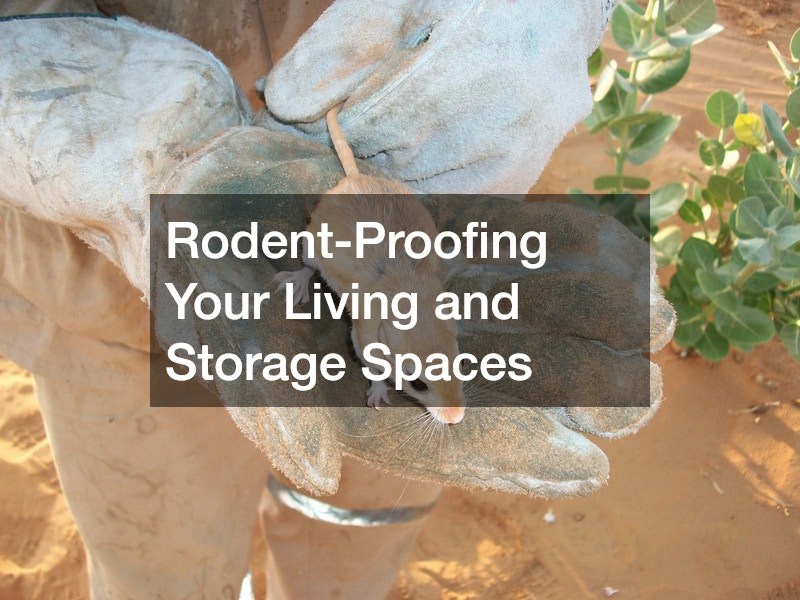
Mice and rats are among the most persistent indoor invaders, capable of squeezing through surprisingly small openings to access warmth and nourishment. Effective exclusion techniques require meticulous attention to detail along lower perimeters and rooflines. A mouse can squeeze through an opening as small as a nickel, while a young rat needs less than half an inch of clearance. Standard expanding foam sealant alone is insufficient to stop these determined gnawers, as their sharp teeth can chew through expander foam in minutes. Homeowners should pack structural gaps, foundation vents, and utility conduit penetrations with stainless steel wool or copper mesh before backing it with durable silicone sealant. Garage door rubber seals and bottom weatherstripping must also be routinely inspected and replaced as soon as wear appears.
Alongside physical exclusion, maintaining rigorous food storage and sanitation protocols is essential for removing attractants that lure rodents indoors. Leaving pet food in original paper bags, keeping open grain containers in pantries, or allowing crumbs to gather on kitchen floors creates an effortless buffet for foraging pests. Dry goods like flour, sugar, cereal, and dog food should be transferred immediately into thick, airtight glass or rigid plastic containers with locking lids. Indoors, kitchen waste bins must feature tight-fitting lids and be emptied regularly to eliminate lingering scent trails. In storage areas like basements and attics, replace cardboard boxes with sealed plastic totes, as rodents frequently shred paper products to build nesting material in dark corners.
Sustaining a rodent-free environment relies on combining structural barriers with consistent cleanliness. Successful rodent control demands an ongoing commitment to eliminating both food sources and nesting microclimates throughout garages, basements, and pantries. When localized trapping or exclusion efforts fail to halt an escalating infestation, professional pest removal becomes necessary to locate hidden nesting sites inside insulated wall cavities, safely clean up hazardous droppings, and completely seal complex entry points around rooflines. Through thorough physical sealing and disciplined sanitation practices, you can effectively safeguard your storage spaces and living areas against destructive rodent activity.
Managing Stinging Insects in Outside Spaces
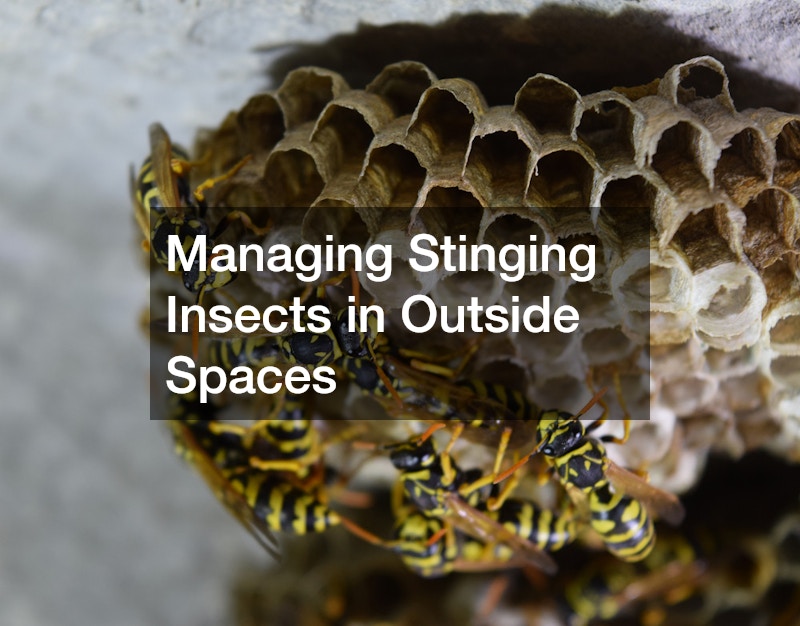
Stinging insects can render outdoor living spaces, patios, and decks unusable during warm months of the year. Managing these territorial pests requires proactive inspection and safe maintenance practices long before colonies grow large. During early spring, queen insects emerge from winter hibernation to seek secluded spots for building new nests. Inspecting eaves, deck undersides, porch roofs, and window overhangs early in the season allows homeowners to identify small, developing nests when they are still the size of a golf ball. Inspecting high-elevation outdoor areas during early morning or late evening hours when insects are dormant provides a safer opportunity to knock down young structures using high-pressure water sprays or long-range treatments before colonies reach full capacity.
Equally important to deck and eaves maintenance is comprehensive yard sanitation and the elimination of attractants that draw stinging insects to outdoor living spaces. Brightly colored garden blossoms, exposed trash cans, spilled sugary beverages, and fallen rotting fruit from trees act as magnets for hungry foragers. Secure all outdoor garbage and recycling bins with tight-fitting lids, and rinse containers thoroughly before placing them outside. When dining outdoors, keep food dishes covered until serving, and clear away leftover sweet treats and meat scraps promptly. Additionally, eliminate standing water sources in birdbaths or clogged gutters, as stinging insects require consistent moisture supplies to build and cool their paper or mud structures during hot summer afternoons.
When nests expand in dangerous locations near entryways or active play areas, handling removal with extreme caution is vital to prevent defensive swarming. In cases of aggressive subterranean or wall-void nests, specialized yellow jacket extermination is required to treat hidden subterranean galleries safely without risking multiple painful stings. Similarly, aerial nests tucked beneath rooflines or within hollow trees often necessitate expert wasp removal services using protective gear and specialized dusts to neutralize the colony entirely. By performing routine spring property inspections, removing food attractants from outdoor entertaining areas, and addressing aggressive nests promptly, homeowners can safely enjoy their yards all summer long.
Establishing a Proactive Year-Round Defense Plan
Maintaining a pest-free home is an ongoing seasonal effort that evolves throughout the year. Developing seasonal inspection checklists helps homeowners stay ahead of potential invasions by addressing climate-specific vulnerabilities. In spring, focus on inspecting rooflines, window screens, and outdoor spigots as insect activity picks up. During summer, prioritize lawn drainage, sealing deck gaps, and managing trash containers to prevent stinging insects and foraging ants. Fall checklist items should center on sealing foundation cracks, insulating pipes, and trimming back tree branches touching the house as rodents seek warm winter shelter. Winter care involves auditing attics and basements for signs of hidden moisture or chewing activity.
While seasonal DIY maintenance forms the cornerstone of effective preventative home care, recognizing the limitations of self-managed efforts is crucial. Certain situations, such as widespread wood damage, deeply embedded wall nests, or persistent infestations, require specialized knowledge and equipment to resolve safely. Partnering with a reliable pest control service provides homeowners with expert property evaluations, advanced diagnostic tools, and professional-grade barrier applications that offer far greater longevity than off-the-shelf products. Routine preventative visits from trained technicians can catch minor perimeter breaches before they turn into major structural or sanitation headaches.
However, despite your best preventative maintenance, unexpected infestations can occasionally spike due to extreme weather events, nearby construction, or unnoticed structural failures. When a sudden influx of aggressive or dangerous pests threatens immediate health and safety, seeking emergency pest control ensures rapid containment and mitigation before widespread damage occurs. Combining consistent seasonal maintenance checklists with access to expert intervention creates a layered, resilient defense strategy. By remaining vigilant through every season and acting promptly when specialized help is required, you ensure your home stays protected, comfortable, and pest-free all year long.
Long-Term Peace of Mind Through Proactive Maintenance
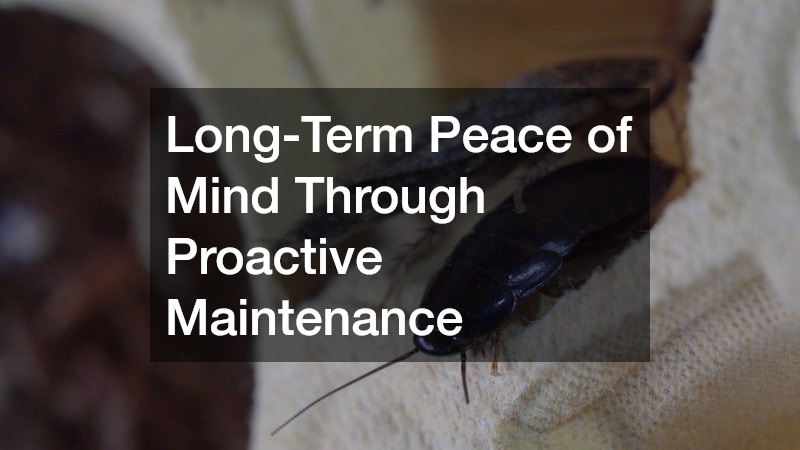
Protecting your home from unwelcome invaders is a continuous commitment that relies on foresight, consistency, and targeted action. As highlighted throughout this guide, the most effective strategy against household pests is preventing them from accessing your living spaces in the first place. By systematically addressing structural vulnerabilities, sealing tight entry gaps, managing moisture accumulation, and eliminating accessible food and water sources, you dismantle the exact conditions that draw pests inside. Whether you are fortifying your basement against crawling insects, securing your roofline against stinging summer pests, or safeguarding your wooden foundation, proactive home care remains your strongest line of defense.
Taking small, routine steps today pays massive dividends in long-term safety, property value, and personal peace of mind. Spending a few hours each season inspecting your foundation, clearing perimeter vegetation, and updating sealants prevents expensive structural repairs and stressful infestations in the future. The effort put into basic preventative care far outweighs the financial and emotional toll of dealing with a severe, uncontrolled outbreak down the road. Consistency is key; integrating simple inspection tasks into your seasonal routine creates an environment where pests simply cannot thrive.
Do not wait for signs of damage or an unexpected invasion before taking action. Walk around the perimeter of your home today, inspect your doors, foundation walls, and utility openings, and seal any visible gaps you find. If you discover signs of an established infestation or want to establish an impenetrable defense barrier for the coming year, reach out to a trusted specialist to conduct a comprehensive property evaluation. Taking proactive control of your living space now will ensure your home remains a safe, comfortable, and healthy sanctuary for you and your family for years to come.